
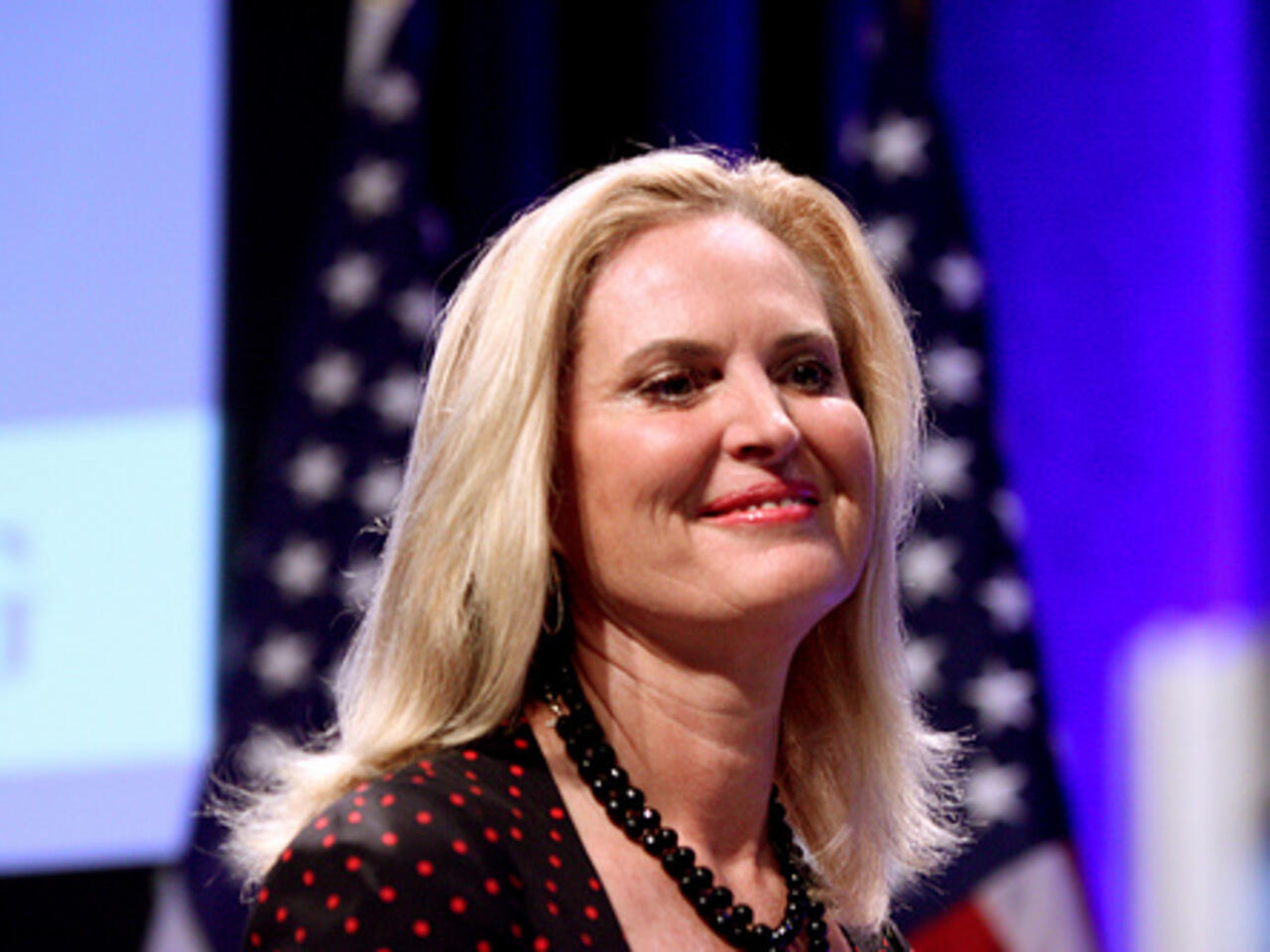
Ann Romney is an American philanthropist, author, equestrian enthusiast, and public figure best known as the wife of Mitt Romney, one of the most prominent Republican politicians and business leaders in modern American history. While she is often introduced through her husband’s political career, Ann Romney has lived a life shaped by wealth, responsibility, personal adversity, and long-term public engagement. Her story is one of privilege balanced with perseverance, and comfort intersecting with service.
As of recent estimates, Ann Romney’s net worth, shared with her husband, is approximately $300 million. This substantial fortune reflects decades of successful business investments, private equity earnings, real estate ownership, and long-term financial planning. Although Ann Romney did not personally build this wealth through corporate leadership, she has played a significant role in managing family priorities, philanthropy, and public presence while navigating life in the national spotlight.
Early Life and Family Background
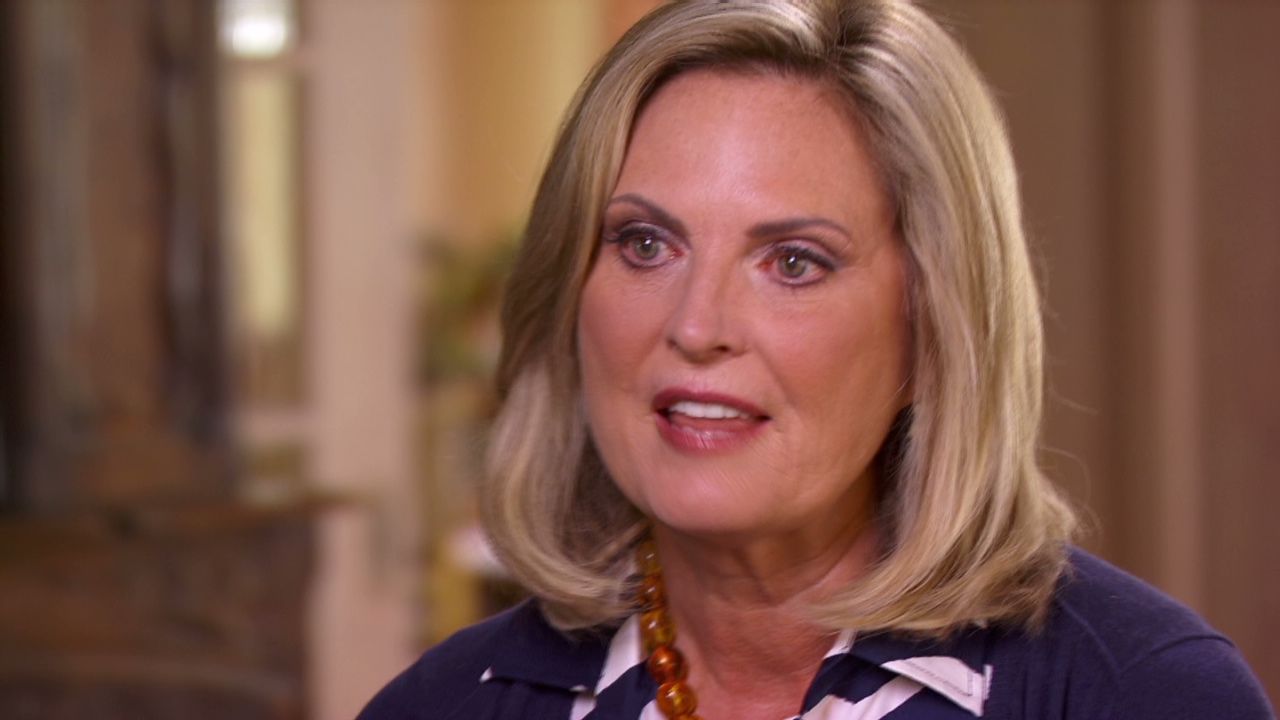
Ann Romney was born Ann Lois Davies on April 16, 1949, in Detroit, Michigan. She was raised in Bloomfield Hills, a wealthy suburban area known for its affluence, private schools, and business leadership. Her father, Edward Davies, was a successful entrepreneur and civic leader who co-founded an industrial manufacturing company and later served as mayor of Bloomfield Hills. Her upbringing exposed her early to both business success and public service, creating a foundation that would later shape her adult life.
Growing up in a financially secure household allowed Ann access to elite education, cultural opportunities, and social networks. However, it also placed expectations on her to uphold family values, personal discipline, and community involvement. These expectations followed her into adulthood and became central themes throughout her public life.
Education and Religious Conversion
Ann attended private preparatory schools during her youth and later enrolled at Brigham Young University, where she studied French. During her college years, she made a life-altering decision by converting to the Church of Jesus Christ of Latter-day Saints. This conversion was deeply personal and not merely symbolic, as it aligned her faith with that of the man she would later marry.
She graduated from Brigham Young University with a bachelor’s degree in French, completing her education while navigating early marriage and motherhood. Her faith would become a core pillar of her identity, influencing her views on family, service, and perseverance through hardship.
Marriage and Family Life
Ann Romney married Mitt Romney in 1969. Their marriage has lasted more than five decades and produced five sons: Tagg, Matthew, Joshua, Benjamin, and Craig Romney. Throughout the early years of their marriage, Ann focused primarily on raising their children while Mitt pursued business ventures that would eventually generate extraordinary wealth.
During the 1970s and 1980s, Mitt Romney rose through the corporate world, eventually co-founding a private equity firm that would become one of the most influential investment firms in the United States. During this period, Ann Romney managed household responsibilities, family stability, and community involvement, often relocating as her husband’s career advanced.
Her role as a full-time mother later became a point of national discussion during political campaigns, with critics questioning her understanding of working-class struggles. Ann consistently defended her life choices, emphasizing that raising children required discipline, sacrifice, and relentless effort. She frequently stated that fulfillment cannot be measured solely by income or professional titles.
Public Life
Ann Romney entered the public spotlight more prominently when her husband transitioned from business into politics. As First Lady of Massachusetts from 2003 to 2007, she served as a visible representative of the governor’s office, focusing on children’s welfare, education initiatives, and faith-based community programs.
Her national profile expanded significantly during her husband’s presidential campaigns. During the 2008 and 2012 election cycles, Ann Romney became a key campaign surrogate, traveling extensively, delivering speeches, and presenting a more personal image of her husband to voters. Her speeches often focused on family values, resilience, and character rather than policy specifics, helping to humanize the campaign.
Although she never sought elected office herself, Ann Romney demonstrated strong communication skills and political instincts, earning respect from supporters and critics alike for her composure and sincerity.
Health Challenges and Personal Resilience
One of the most defining moments of Ann Romney’s life occurred in 1998, when she was diagnosed with multiple sclerosis, a chronic neurological disease affecting the central nervous system. The diagnosis came during a period when public understanding of the disease was limited, and treatment options were still evolving.
Rather than withdrawing from public life, Ann Romney confronted the illness directly. She adopted a comprehensive approach to managing her condition, combining medical treatment with physical therapy, emotional discipline, and lifestyle adjustments. One of the most significant aspects of her coping strategy was horseback riding, particularly dressage, a highly technical equestrian sport requiring balance, strength, and precision.
Against expectations, Ann Romney not only continued riding but competed at advanced levels. Her involvement in equestrian sports became a symbol of her determination to maintain independence and physical capability despite her diagnosis. This dedication also provided emotional grounding and a sense of purpose.
Philanthropy and Medical Advocacy
Ann Romney’s health journey inspired her philanthropic focus. She became a vocal advocate for neurological research and patient support, using her platform and resources to advance scientific understanding of diseases such as multiple sclerosis, Alzheimer’s, Parkinson’s, and ALS.
In 2014, she co-founded a major neurological research center at a leading Boston hospital. The center was designed to promote collaboration between scientists, accelerate treatment development, and improve patient outcomes. This initiative stands as one of her most enduring contributions, reflecting her commitment to turning personal hardship into public benefit.
Beyond medical research, Ann Romney has supported numerous charitable causes related to education, faith-based initiatives, women’s health, and community development. While she often avoids the spotlight for her charitable work, her financial contributions and organizational involvement have had lasting impact.
Author and Public Voice
Ann Romney is also an author. In her memoir, she shared her life story in her own words, addressing her upbringing, marriage, motherhood, political experiences, and health struggles. The book was widely read by supporters and critics alike and provided insight into how she navigated privilege, adversity, and public scrutiny.
Her writing emphasized themes of gratitude, resilience, faith, and the importance of family. Rather than presenting herself as flawless, she acknowledged mistakes, doubts, and fears, making her narrative relatable despite her wealth and status.
Ann Romney’s Net Worth and Sources of Wealth
Ann Romney’s estimated net worth of $300 million represents shared marital assets rather than individual earnings. The majority of this wealth originates from her husband’s career in private equity, investment management, and executive leadership. Over several decades, the Romney family accumulated wealth through strategic investments, stock portfolios, and long-term financial planning.
The family also owns and has owned multiple high-value real estate properties across the United States, including luxury homes in coastal, suburban, and resort areas. These properties have functioned both as residences and investment assets, contributing to overall net worth growth.
Financial disclosures over the years have shown that the Romney family’s wealth is diversified, conservative, and carefully managed. Their approach emphasizes preservation, philanthropy, and generational planning rather than excessive public display.
Lifestyle and Public Perception
Despite their wealth, Ann Romney has often described her lifestyle as disciplined and values-driven. While the family enjoys luxury and comfort, she frequently emphasizes gratitude, faith, and responsibility. Public perception of her lifestyle has been mixed, with supporters admiring her grace and critics questioning her relatability. Ann has consistently responded by focusing on personal integrity rather than public approval.
She remains a respected figure within Republican circles and among advocates for neurological health research. Even as her husband’s political career has evolved, Ann Romney has maintained a relatively private presence in recent years, choosing selective public engagement over constant visibility.
Legacy and Influence
Ann Romney’s legacy is defined not only by wealth or political proximity but by resilience, advocacy, and service. She represents a generation of political spouses who navigated traditional roles while adapting to modern public expectations. Her willingness to confront illness publicly, invest in scientific progress, and speak candidly about family and faith has left a meaningful imprint.
Her life illustrates how privilege can coexist with purpose and how personal challenges can become catalysts for broader impact. While history may primarily remember her alongside her husband, Ann Romney’s individual contributions stand independently as examples of perseverance, compassion, and long-term commitment to public good.
Conclusion
Ann Romney is far more than a political spouse or a figure associated solely with wealth. Her life story encompasses affluence, devotion, illness, advocacy, and public service. With an estimated net worth of $300 million, she stands among the wealthiest women connected to American politics, yet her most lasting influence lies in her charitable work, health advocacy, and personal resilience.
Through decades of public scrutiny and private struggle, Ann Romney has consistently demonstrated strength, discipline, and purpose. Her journey offers insight into how wealth, faith, and adversity can intersect to shape a life of lasting impact.