
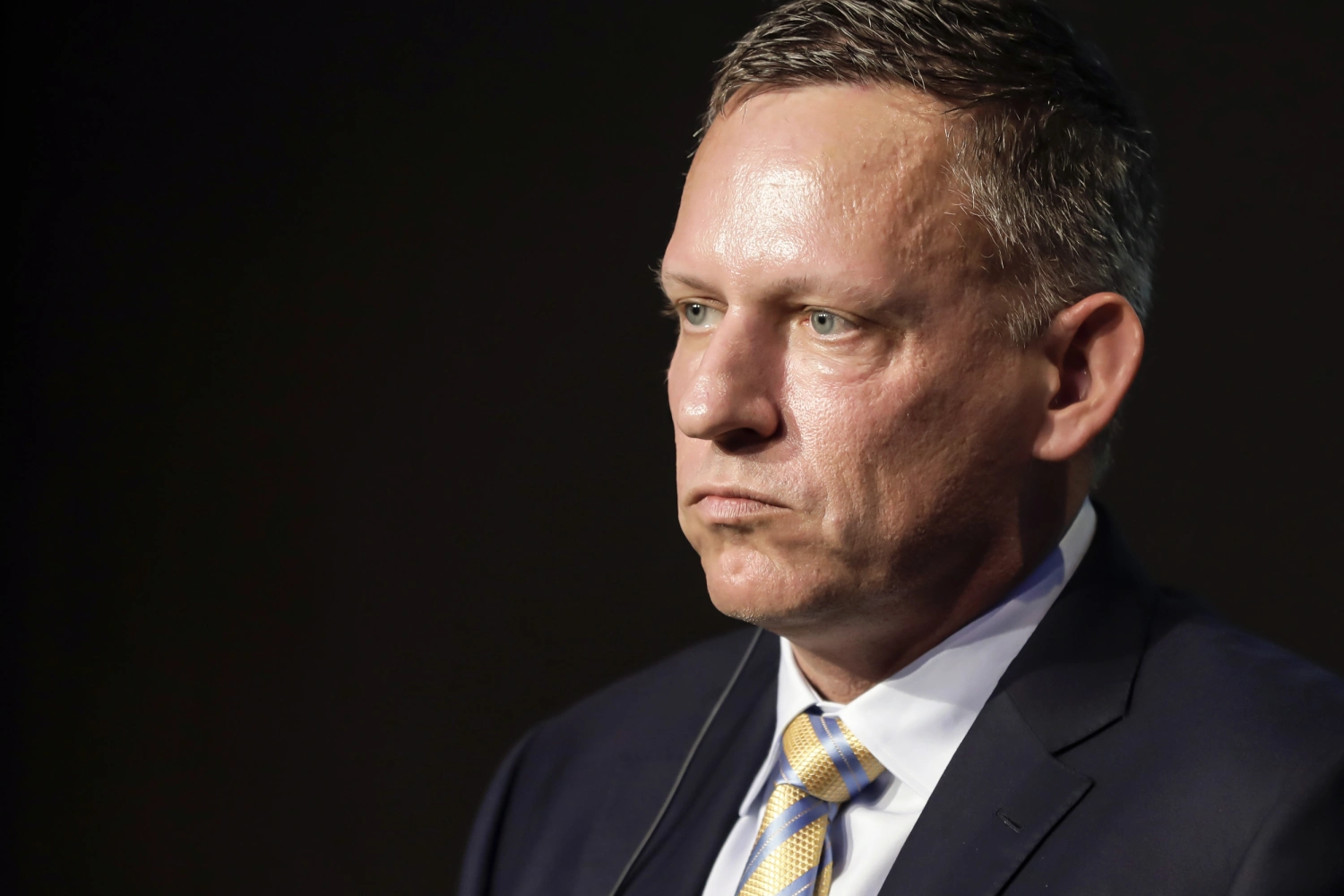
Peter Thiel is an American entrepreneur, venture capitalist, and political commentator best known as a co-founder of PayPal and one of Silicon Valley’s most influential and controversial figures. His outspoken views on politics, media, technology, and society—combined with immense financial success—have made Peter Thiel controversy a frequent topic of public debate. People search for his story to understand how his ideas, actions, and wealth have shaped modern tech culture and political discourse.
| Detail | Information |
|---|---|
| Full name | Peter Andreas Thiel |
| Date of birth | October 11, 1967 |
| Age | 58 years old |
| Date of death | — |
| Nationality | American (born in Germany) |
| Ethnicity | White (German-American) |
| Profession | Entrepreneur, venture capitalist, investor |
| Height | Approx. 5 ft 7 in (170 cm) |
| Weight | Approx. 70 kg (154 lbs) |
| Marital status | Married |
| Spouse / partner | Matt Danzeisen |
| Children | None publicly disclosed |
| Religion | Christianity |
| Net worth | Estimated $7–8 billion |
| Salary | Investment income, equity holdings |
Early life and background
Peter Thiel was born on October 11, 1967, in Frankfurt, Germany, and later moved to the United States with his family. He grew up primarily in California, where he showed early academic promise and a strong interest in philosophy, mathematics, and competitive debate.
He attended Stanford University, earning degrees in philosophy and law. During his time at Stanford, Thiel became known for challenging prevailing academic and political norms, a trait that would later define his public persona.
Early career and PayPal success
Thiel’s early career included work in finance and law, but his defining breakthrough came when he co-founded PayPal, an online payments company that revolutionized digital commerce.
When PayPal was sold, Thiel emerged as a central figure in what became known as the “PayPal Mafia,” a group of early employees and founders who went on to shape Silicon Valley. This success laid the foundation for his long-term wealth and influence.
Venture capital and Silicon Valley influence
After PayPal, Thiel launched a venture capital firm that invested early in several now-dominant technology companies. These investments multiplied his fortune and positioned him as a kingmaker in tech.
Unlike many investors, Thiel openly questioned Silicon Valley orthodoxy, criticizing what he saw as groupthink, excessive regulation, and cultural conformity.
Political views and ideological controversy
One of the most persistent Peter Thiel controversies centers on his political beliefs. Thiel has publicly criticized democracy in certain contexts, arguing that it can conflict with freedom and innovation.
He has supported conservative and populist political candidates, positioning himself against the largely liberal tech establishment. These views made him both influential and polarizing, particularly during election cycles.
Media and free speech battles
Perhaps the most widely discussed controversy involving Thiel was his financial support of a lawsuit against a major media outlet, which ultimately led to its shutdown.
Thiel framed the action as a stand for privacy and accountability, while critics argued it set a dangerous precedent for wealthy individuals using legal power to silence the press. The case sparked global debate about free speech, privacy rights, and the influence of money on media.
Surveillance and data ethics concerns
Thiel has been a vocal supporter of data-driven technologies, including firms involved in government data analysis and surveillance tools.
Critics argue that such technologies threaten civil liberties and privacy. Supporters counter that they improve security and efficiency. Thiel’s involvement in this space has fueled ongoing ethical debates.
Views on society and technology
Thiel is known for challenging mainstream narratives on progress. He has criticized what he sees as stagnation in innovation, arguing that society has focused too heavily on incremental software improvements instead of transformative breakthroughs.
These opinions, while influential in tech circles, have also attracted criticism for being dismissive of social consequences.
Personal life and identity
Peter Thiel is openly gay and married to Matt Danzeisen, a finance professional. His openness about his sexuality contrasts with some of his political alliances, creating another layer of complexity in public perception.
He generally keeps his private life out of the spotlight, rarely discussing family matters publicly.
Lifestyle and wealth
Peter Thiel’s lifestyle reflects immense wealth but limited public display. He owns luxury real estate and maintains residences in multiple locations, though he avoids constant media exposure.
His estimated net worth of $7–8 billion comes primarily from:
- Equity stakes in technology companies
- Venture capital investments
- Long-term financial holdings
Influence on modern tech culture
Thiel’s influence extends beyond money. His ideas about contrarian thinking, monopoly power, and innovation have shaped how many founders approach startups.
At the same time, his willingness to challenge social norms has ensured that his name remains closely tied to controversy.
Public perception today
Public opinion on Peter Thiel controversy is sharply divided. Supporters view him as a bold thinker unafraid to challenge consensus. Critics see him as an example of unchecked power and ideological extremism.
What is undeniable is his lasting impact on technology, politics, and culture.
Legacy and ongoing relevance
Peter Thiel’s legacy is still evolving. He is remembered as:
- A foundational figure in modern tech finance
- A vocal critic of mainstream ideology
- A central figure in debates over power, privacy, and democracy
His story reflects the tension between innovation and responsibility—making him one of the most consequential and controversial figures of the digital age.