


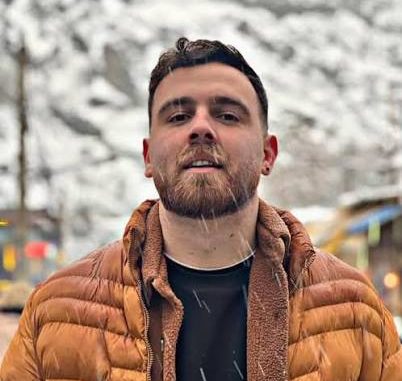
Erfan Soltani is an Iranian man whose name has recently drawn international attention due to reports that he faces execution by Iranian authorities. His case has become a focal point for global human rights advocates, press organizations, and online searches after rights groups and news outlets reported that he — along with several others — may be executed in connection with participation in nationwide protests against the Iranian government.
While details about Soltani’s early life are limited in international media, the circumstances leading to his current situation are tied directly to one of the most significant protest movements in Iran’s recent history, where citizens of diverse backgrounds called for political change and justice.
This article explains who Erfan Soltani is, the events that led to his arrest and sentencing, why he has become a trending search topic, the reported cause of his death sentence, the news about his potential execution, and the context of public reaction, international human rights pressure, and Iranian protest movements.
Who Is Erfan Soltani?
Erfan Soltani is an Iranian citizen reportedly involved in anti-government protests that erupted across Iran beginning in late 2022 and continuing into 2023–2025. These protests began after the death of Iranian woman Mahsa Amini while in the custody of Iran’s morality police, and quickly spread nationwide, encompassing a wide cross-section of Iranian society, including students, workers, and activists demanding greater freedoms, economic justice, and political reform.
Soltani, like many others, is believed to have participated in peaceful protests. Iranian authorities, however, accused numerous protesters of involvement in actions the government defined as “armed rebellion,” “corruption on earth,” or “insulting the sanctities of the Islamic Republic.” Such charges, in Iran’s legal system, can carry the death penalty.
Despite international condemnation, Iranian courts have issued severe sentences — including death sentences — to dozens of protesters based on testimonies, confession videos, or alleged participation in protests that escalated into violent clashes with security forces.
Why Is Erfan Soltani Trending Now?
According to news outlets referenced in trending search results (such as the BBC and The Telegraph), Erfan Soltani’s case has drawn attention because rights groups and media reports have stated that he is scheduled to be executed imminently, which mobilizes public opinion and international pressure.
Search interest surge — as seen in tools like Google Trends — reflects global concern and growing awareness about:
- The reported execution date or official announcement from Iranian authorities
- Statements and campaigns by human rights organizations seeking intervention
- Media coverage labeling Soltani as one of several protesters facing the death penalty
In some news snippets, the phrase “Iran protester ‘to be executed tomorrow’” appears in headlines alongside Soltani’s name, indicating that members of the press are linking his situation to imminent execution orders a stark development that fuels public debate and trending searches.
Cause of Death Sentence and Legal Basis
Iran’s judicial system, particularly in political cases, has been criticized for:
- Rapid trials lacking transparent due process
- Heavy reliance on confessions, sometimes claimed to be coerced
- Broadly defined criminal charges
Erfan Soltani is reportedly accused of crimes related to his participation in protests. While the precise legal documents and court records are generally not publicly available, international rights groups interpret his charges as falling under Iranian legal provisions used to justify execution for:
- “Corruption on earth” (Mofsed-e-filarz)
- Armed uprising
- Participation in demonstrations against state authority
It is these charges that often lead to capital punishment sentences in Iran, and they have been applied to multiple protest participants.
Iran Protests: Context Behind Soltani’s Arrest
The protests that spread across Iran beginning in late 2022 were among the most persistent and widespread in decades. They began after the death of Mahsa Amini and quickly grew into a broader cry for:
- Civil liberties
- Protection of women’s rights
- Accountability for state violence
- Economic opportunity
- Political change
In response, Iranian authorities deployed security forces, including the Islamic Revolutionary Guard Corps (IRGC) and morality police, to suppress demonstrations. This resulted in:
- Thousands of arrests
- Reports of lethal force used against protesters
- Allegations of human rights violations documented by local and international observers
People like Soltani may have been arrested at a protest, accused of violent conduct, or linked to charges framed by the government as threats to national security. Regardless, protest involvement rapidly became criminalized under harsh legal interpretations, leading to severe sentencing.
International Reaction and Rights Groups
Human rights organizations — including Amnesty International, Human Rights Watch, and United Nations human rights officials — have repeatedly called on Iran to:
- Stop executing protesters
- Drop charges against peaceful demonstrators
- Provide fair trials under international standards
Statements from these groups often mention individuals like Soltani when reporting imminent execution dates, labeling these practices as violations of human rights and calls for international intervention.
This response has heightened media coverage, leading to trend spikes as global audiences search for updates.
Reported Execution Threat and News Headlines
Recent headlines that have contributed to search interest on Erfan Soltani include:
- “Iran protester to be executed tomorrow, rights group says…” BBC News
- “Iranian man faces execution after joining anti-regime protests” The Telegraph
These articles indicate that:
- Rights groups provided information about a scheduled execution
- Soltani is named or described as part of a group of protesters facing capital punishment
- International media is amplifying attention around his case
Trending data from searches suggests public interest peaked in the hours following these reports.
Personal Information: What Is Known
Publicly available information about Erfan Soltani’s personal life remains limited. Based on context:
- He is reported as an Iranian national
- Likely of Iranian ethnicity
- Participated in civil demonstrations
- Now subject to a death sentence or execution order
There is no confirmed public information at this time about his:
- Age
- Family
- Profession
- Religious affiliation (though most Iranians are Muslim by cultural majority)
Iran does not routinely disclose detailed personal data about individuals charged in political cases, especially those involving security offenses. Rights groups and media reports rely on leaked information, family statements, or activist networks for context.
Public Awareness and Online Searches
Search interest graphs from tools like Google Trends show spikes around key moments:
- Publication of news articles
- Statements from rights organizations
- Reports of execution schedules
These patterns suggest that interest in Soltani’s situation is tied directly to evolving news coverage.
The Human Rights Perspective
Human rights advocates argue that execution for political protest activity sharply contradicts international norms. They call on global governments, international bodies, and institutions to:
- Pressure Iran diplomatically
- Raise the case in forums like the United Nations
- Advocate for humanitarian stays of execution
- Demand fair, transparent legal processes
Cases like Soltani’s are often presented as part of broader patterns of repression.
Conclusion: Why Erfan Soltani’s Case Matters
Erfan Soltani’s name is trending because his situation symbolizes:
- The extreme legal consequences faced by political protesters in Iran
- Ongoing global concern for human rights
- The sharp contrast between peaceful protest and death penalties
- International media focus on specific individuals to humanize larger movements
His reported cause of sentencing — participation in anti-regime protests — and the threat of imminent execution have drawn attention from both journalists and rights groups.
At present, details about funeral arrangements have not been released, and international pressure continues as advocates await developments in his case.