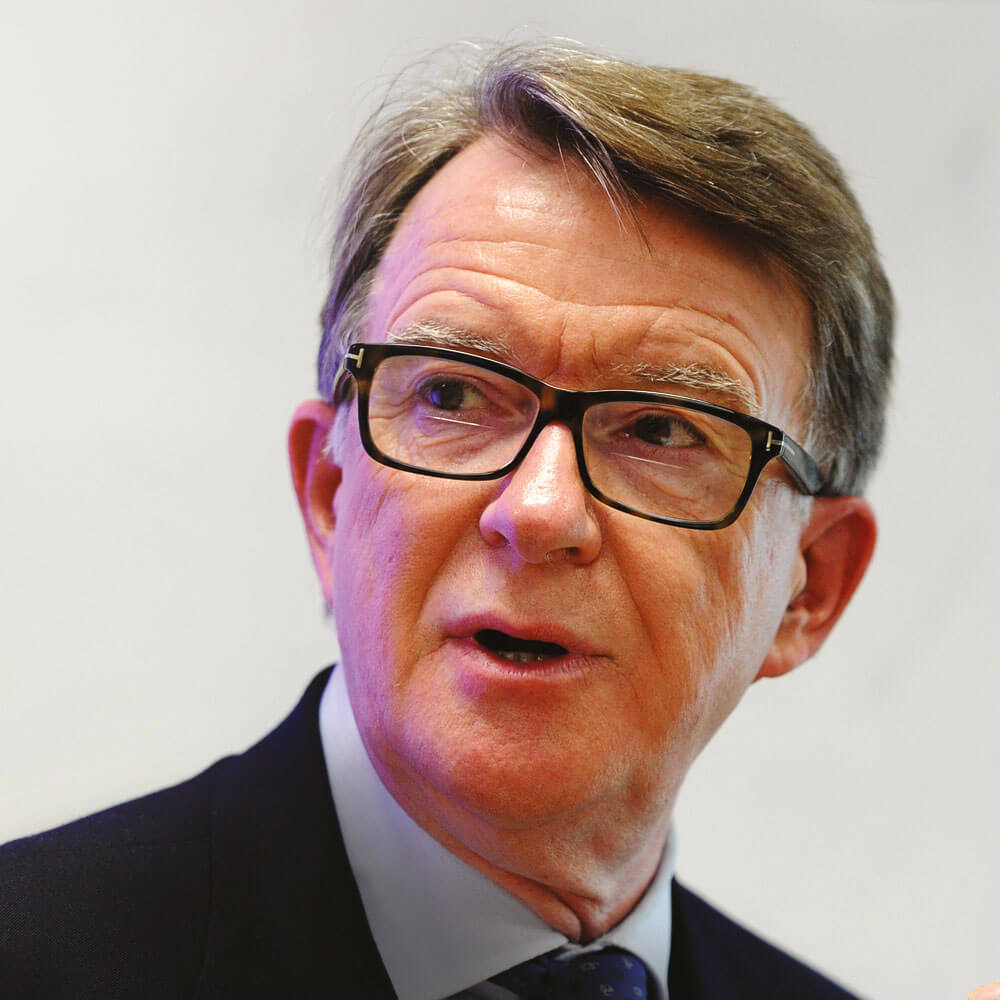
Peter Mandelson is a British politician, strategist, and public figure best known for his central role in reshaping the UK Labour Party during the late 1990s and 2000s. Often described as one of the most influential political operators of his generation, he played a key role in the rise of New Labour and the election victories that followed. Over a long career, Mandelson has worked as a government minister, European commissioner, political adviser, and commentator, gaining a reputation for intelligence, discipline, and strategic thinking.
Unlike many politicians, Peter Mandelson is known more for his behind-the-scenes influence than for public campaigning. His impact on policy direction, messaging, and party structure made him a powerful figure in British politics. At the same time, his career included controversy, resignations, and comebacks, all of which shaped his public image.
Peter Mandelson Personal Details
| Detail | Information |
|---|---|
| Full Name | Peter Benjamin Mandelson |
| Date of Birth | October 21, 1953 |
| Age | 72 years old (as of 2026) |
| Birthplace | London, England |
| Nationality | British |
| Ethnicity | White British (Jewish and European heritage) |
| Religion | Not religious (from a Jewish family background) |
| Profession | Politician, Political Strategist, Author |
| Political Party | Labour Party |
| Titles Held | Cabinet Minister, EU Commissioner, Life Peer |
| Marital Status | Not married |
| Partner | Private / not publicly confirmed |
| Children | None |
| Estimated Net Worth | £10–15 million |
Early Life and Family Background
Peter Benjamin Mandelson was born on October 21, 1953, in London, England. He was born into a politically active and intellectually driven family. His father was involved in broadcasting and media, while his mother was engaged in public service and local politics. Politics and public affairs were regular topics in the household, which influenced Peter from an early age.
Mandelson’s family background includes Jewish heritage on one side, though he has never presented himself as religious. His upbringing focused more on education, debate, and public responsibility than on faith. From a young age, he showed interest in ideas, communication, and political structure.
Growing up in London during a time of major social and political change helped shape his worldview. He witnessed economic challenges, political shifts, and debates about Britain’s role in the world, all of which later influenced his political thinking.
Education and Early Influences
Peter Mandelson attended St Paul’s School, one of the UK’s leading independent schools. He later studied at St Catherine’s College, Oxford, where he read Philosophy, Politics, and Economics. This academic background gave him a strong foundation in political theory, economics, and public policy.
At university, Mandelson became more deeply interested in left-wing politics and the Labour movement. However, even at a young age, he was known for being pragmatic rather than ideological. He believed that political success required winning elections and connecting with voters, not just holding strong beliefs.
This practical approach later became one of his defining traits.
Early Political Career
After completing his education, Peter Mandelson began working in politics and media. He worked as a television producer and later as a communications adviser for the Labour Party. These early roles helped him understand how media, messaging, and public opinion interact.
During the 1980s, Labour struggled to win national elections. Mandelson believed the party needed to modernize, both in policy and presentation. He became involved in shaping campaign strategy, branding, and communications, focusing on discipline and clarity.
His ability to manage messaging and influence internal party decisions helped him rise quickly within Labour circles.
Rise of New Labour
Peter Mandelson is most closely associated with the creation of New Labour, alongside other senior figures. He played a central role in rebranding the party, moving it toward the political center to appeal to a broader range of voters.
He believed Labour needed to accept elements of the market economy while maintaining social justice goals. This approach was controversial within the party, but it proved successful at the ballot box.
Mandelson was instrumental in:
- Modernizing party communications
- Tightening campaign discipline
- Shaping policy presentation
- Managing relationships with business and media
His work helped Labour achieve a historic election victory in the late 1990s after years in opposition.
Government Roles and Cabinet Positions
Following Labour’s election victory, Peter Mandelson entered government and held several senior roles. He served as a cabinet minister in departments related to trade, industry, and business. His focus was on economic modernization, competitiveness, and international cooperation.
Mandelson was known for being highly organized and demanding. He expected high standards from colleagues and civil servants. Supporters viewed this as professionalism, while critics saw it as arrogance.
Despite his effectiveness, his time in government was not without controversy. He resigned from cabinet positions on more than one occasion due to political pressure and public scrutiny. Each resignation was followed by a period away from frontline politics.
Comeback and European Role
After stepping back from UK politics, Mandelson returned in a new role at the European level. He served as a European Commissioner, where he focused on trade and economic relations.
In this role, he represented European interests in global trade negotiations and worked with international partners. His experience, negotiation skills, and strategic mindset suited the position well.
Later, he returned once again to UK politics, demonstrating his ability to recover and remain relevant despite setbacks. This pattern of resignation and return became a notable feature of his career.
House of Lords and Later Career
Peter Mandelson was granted a life peerage and became a member of the House of Lords. In this role, he continued to influence policy debates, particularly on economic, trade, and international issues.
Beyond formal politics, Mandelson became active in consultancy, public speaking, and writing. He offered advice to governments, organizations, and businesses, drawing on decades of experience.
He also became a regular commentator on political affairs, known for his analytical and sometimes critical views.
Net Worth and Financial Life
Peter Mandelson’s estimated net worth is between £10 million and £15 million. His wealth comes from:
- Government and EU salaries
- Consultancy and advisory work
- Speaking engagements
- Writing and media appearances
Unlike career politicians who remain in public service only, Mandelson combined politics with private-sector advisory roles, which significantly increased his earnings.
Personal Life and Relationships
Peter Mandelson has never been married and does not have children. He is known to be a private individual when it comes to personal relationships. While his sexual orientation has been discussed publicly, Mandelson has generally avoided turning his private life into a public topic.
He prefers to be known for his ideas, influence, and work rather than personal details. This discretion has helped him maintain control over his public image.
Religion and Beliefs
Mandelson comes from a Jewish family background but does not practice religion. He has described himself as non-religious and focuses more on secular values such as equality, opportunity, and social responsibility.
His political beliefs are rooted in pragmatism rather than faith-based ideology.
Ethnicity and Identity
Peter Mandelson is White British with European and Jewish heritage. He strongly identifies with British political culture and has spent his career shaping debates about Britain’s role in Europe and the world.
Public Image and Criticism
Peter Mandelson has always been a controversial figure. Supporters praise him as brilliant, strategic, and effective. Critics accuse him of being overly controlling and elitist.
He is often described as a “political operator” rather than a traditional politician. This label reflects his behind-the-scenes influence and focus on strategy rather than public charisma.
Despite criticism, few deny his impact on modern British politics.
Legacy and Impact
Peter Mandelson’s legacy is closely tied to the transformation of the Labour Party. He helped turn a struggling opposition party into an election-winning machine. His ideas about modernization, discipline, and media strategy influenced political parties far beyond the UK.
He is remembered for:
- Shaping New Labour
- Influencing multiple governments
- Playing a key role in UK and EU politics
- Remaining influential despite controversy
Conclusion
Peter Mandelson is one of the most significant political figures in modern British history, not because of popular appeal, but because of influence. His career reflects the power of strategy, messaging, and long-term thinking in politics. While not universally admired, his impact is undeniable.